Last updated: September 23, 2026
 July 28, 2025
In This Article
Two major studies paint a fascinating picture of how different types of physical activity affects lifespan. The results challenge conventional wisdom about exercise by highlighting how factors beyond just physical intensity – particularly social interaction and natural interval patterns – shape longevity benefits.
Professional Athletes: A Mixed Bag
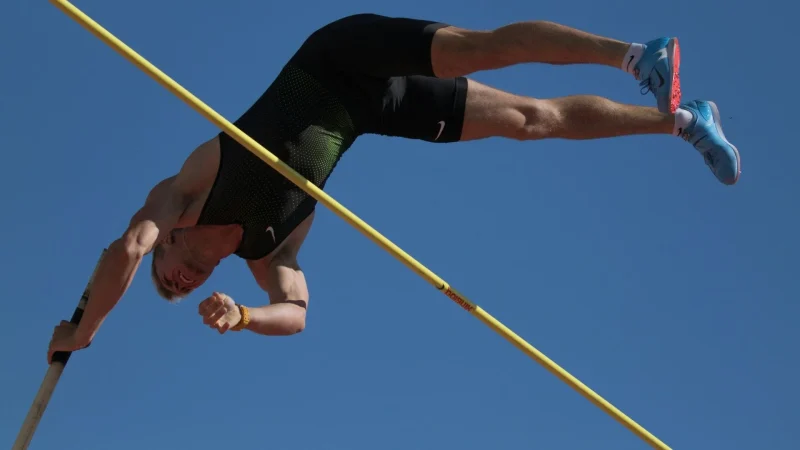
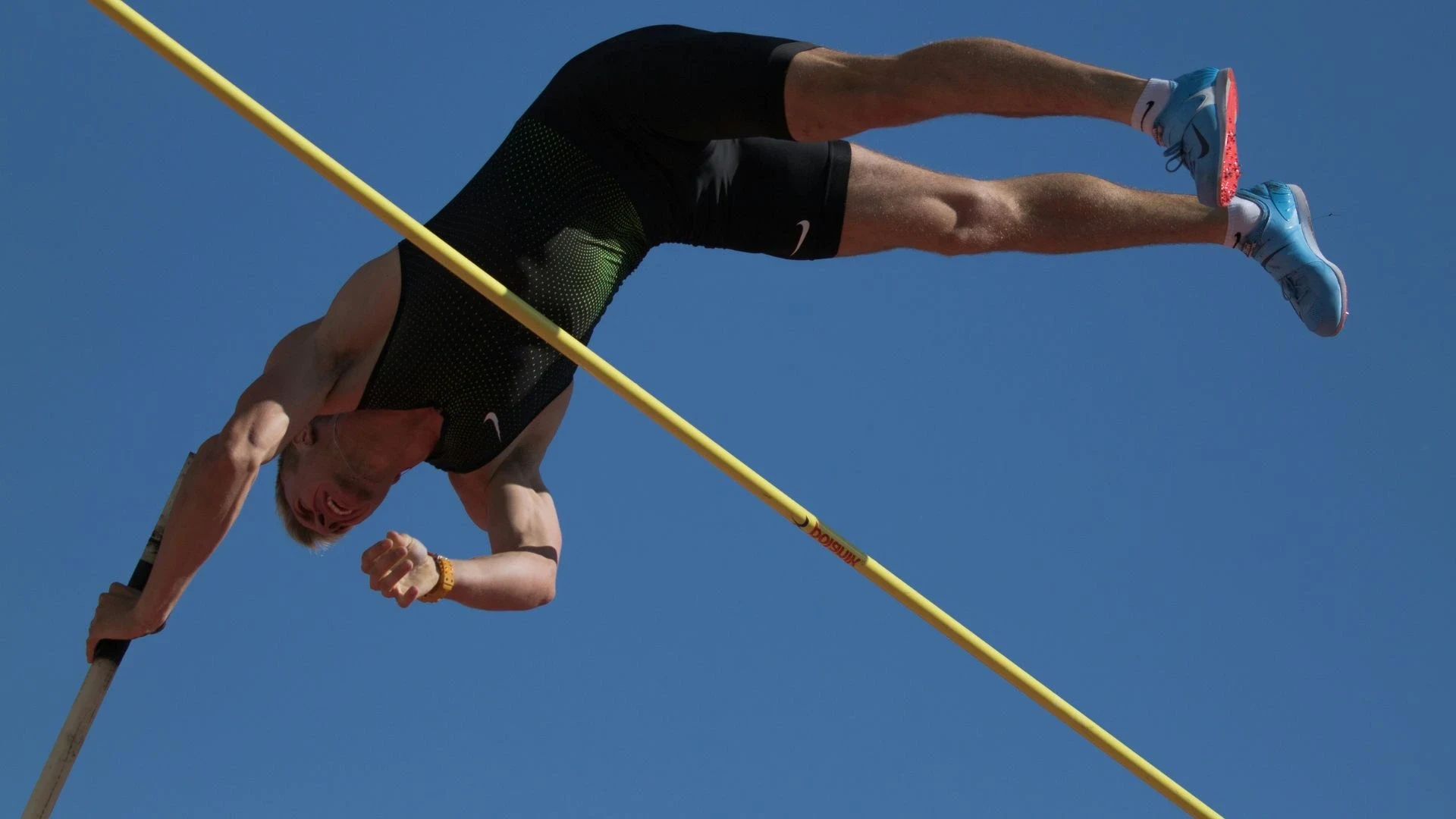
A comprehensive study of 95,210 athletes across 44 sports reveals stark differences in longevity benefits. Pole vaulters and gymnasts topped the charts, gaining 8+ years of life expectancy, while sumo wrestlers lost nearly 10 years compared to the general population.1

What drives these dramatic differences? Several key factors emerged:
- Socioeconomic Status: Athletes in sports associated with higher education and wealth (fencing, archery, tennis) showed notably better longevity – archery’s high ranking despite minimal physical demands highlights this effect
- Weight Management: Sports requiring lean builds (pole vaulting, gymnastics) showed large longevity gains, while those promoting extreme weight gain (sumo) showed the most dramatic reductions
- Injury Risk: Combat sports and those with high concussion or joint impact rates showed significant longevity reductions
- Training Mix: Sports combining aerobic fitness, strength, and high-intensity intervals showed moderate benefits
While social interaction strongly influences recreational athletes’ longevity, it shows little impact among professionals, where training regimens and competitive demands tend to override the social aspects of different sports.
One striking finding was volleyball players’ reduced lifespan (-5.4 years), which stems from several factors. The sport’s exercise profile is suboptimal – unlike tennis or soccer, volleyball involves very short bursts of activity (average 12 seconds per point) with long rest periods. Players get less aerobic training due to frequent stops and substitutions, and their high-intensity intervals are too brief to be optimal. Even muscle training is limited – players often stand waiting for serves and movement is highly specialized by position. Critically, the sport’s high-impact nature (up to 300 jumps per match) creates significant joint stress, making it difficult to continue playing recreationally after a professional career. Unlike tennis players who can enjoy their sport for decades after retirement, volleyball players often must stop entirely, losing both the exercise and social benefits that help maintain health in later life.
Interestingly, professional competition itself appears beneficial for longevity – even chess players show increased lifespan compared to the general population,2 suggesting that competitive pursuits at an elite level may contribute to longevity through mechanisms beyond physical activity.
Recreational Sports: The Social Advantage
Even more surprising were the findings from the Copenhagen City Heart Study, which tracked over 8,500 recreational athletes for 25 years.3 The results challenged assumptions about what types of exercise best promote longevity:
| Sport | Added Years |
|---|---|
| Tennis | 9.7 |
| Badminton | 6.2 |
| Soccer | 4.7 |
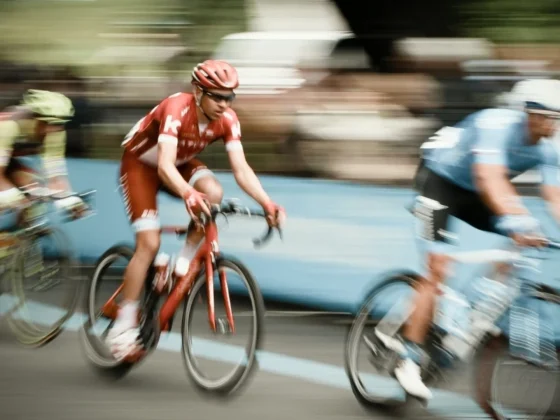
| Cycling | 3.7 |
| Swimming | 3.4 |
| Jogging | 3.2 |
| Health Club | 1.5 |
The striking pattern? Social sports dominated the top spots. Tennis and badminton players significantly outlived solo exercisers, even though activities like running and swimming are often considered gold standards for fitness.
Why Social Sports Win
Several factors likely contribute to social sports’ superiority:
- Built-in Intervals: Racquet sports naturally alternate between intense rallies and recovery periods, creating an effective high-intensity interval training pattern
- Injury Prevention: Non-contact sports like tennis carry lower risk of traumatic injuries compared to soccer or combat sports
- Social Connection: Regular interaction with partners and opponents may provide mental health benefits that translate to physical longevity

Uh, I think triples tennis raises the chance of injury…
The Health Club Paradox
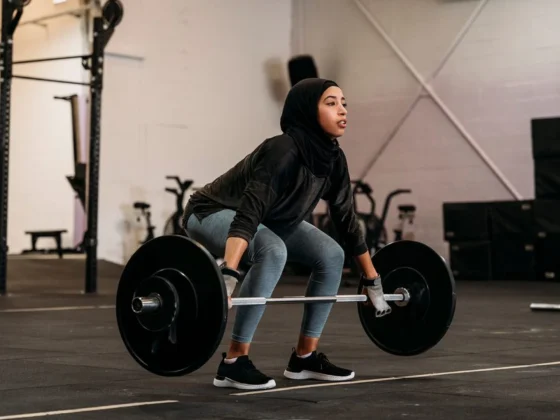
The minimal benefit from health club activities (1.5 years) seems surprising until you dig into the research on strength training. The longevity benefits from weight training peak at just one hour per week. More striking still, lifting weights for 2.5 hours or more weekly provides no more benefit than not exercising at all. This suggests many gym-goers might be exceeding the optimal dose.
The Bottom Line
While any exercise is better than none, these studies suggest we should rethink our approach to physical activity. Rather than focusing solely on intensity or duration, consider activities that combine physical exertion with social interaction. For strength training, less may be more – an hour a week appears optimal.
The next time you’re debating between a solo gym session and a tennis match with friends, the research suggests grabbing your racquet might be the better choice for long-term health. Your rally partner might just help you live longer than your treadmill.
Worth knowing your starting point. Take the calculate your biological age and see what your training is already buying you.
To combine walking, strength work, aerobic exercise, and intervals in one routine, see The Exercise Pyramid for a guide to how the activities fit together.