
Last updated: September 23, 2026

 June 9, 2025
In This Article
- Understanding the Stakes: Why 120 is the New 140
- Exercise: The Most Effective Approach
- Dietary Interventions
- Environmental Factors
- Additional Factors
- How These Approaches Compare to Medications
- Your Comprehensive Blood Pressure Management Plan
- How to Properly Monitor Your Progress
- Troubleshooting Common Challenges
- The Bottom Line
“Your blood pressure is still running high. We may need to start medication.”
If you’ve heard these words from your doctor, you’re not alone. Nearly half of American adults have hypertension, yet fewer than 1 in 4 have it under control.1 The silent killer operates without symptoms while increasing your risk of heart failure (64%), stroke (35%)2, and dementia (34%)3 with each passing day. But here’s what your doctor might not have emphasized: medications aren’t your only option.
I’ve collected and analyzed the research on non-pharmaceutical approaches to blood pressure management. Let’s explore these evidence-based strategies organized by category.
Understanding the Stakes: Why 120 is the New 140
Blood pressure readings consist of two numbers: systolic and diastolic. The systolic pressure (the top number) measures the force exerted against artery walls when the heart contracts, while diastolic pressure (the bottom number) measures the force when the heart is at rest between beats. Both numbers matter, but systolic pressure tends to rise with age and is considered the more significant predictor of cardiovascular risk in people over 50.
Among Westerners over age 40, systolic pressure typically increases by about 7 mm Hg per decade.4 Interventions that can lower systolic pressure by 10 mmHg are particularly valuable because they essentially reverse more than a decade of age-related blood pressure increase.
In 2015, the SPRINT study revolutionized how we think about “normal” blood pressure. Researchers found that using medication to push systolic readings below 120 mmHg in hypertensive patients (rather than the previous standard of 140) reduced heart attacks, strokes, and death by nearly 27%.2 This finding reshaped medical guidelines – but medication isn’t the only path to these lower numbers.
Important Note About Blood Pressure Reductions
When reading about interventions that lower blood pressure by specific amounts (like “10 mmHg systolic reduction”), it’s essential to understand that these figures typically represent average results from studies of people with hypertension. Individuals with higher starting blood pressure generally see larger absolute reductions from these interventions.
If you’re already normotensive (blood pressure below 120/80), you’re unlikely to see significant reductions below that level from these interventions. This is actually beneficial—these approaches tend to normalize blood pressure rather than drive it too low. The body has numerous regulatory mechanisms to maintain healthy blood pressure, so these natural interventions work with your physiology rather than overriding it.
Exercise: The Most Effective Approach
Exercise generally improves blood pressure through an adaptation process. During physical activity, blood pressure temporarily increases, which triggers the body to release nitric oxide, making arteries more flexible over time. For those with hypertension, low-intensity exercise is particularly beneficial since it releases less cortisol (which can increase blood pressure) and avoids dangerous blood pressure spikes that can occur during long, intense workouts.
The optimal exercise for blood pressure control is isometric exercise, which provides steady, low-intensity blood pressure rises. Isometric exercises involve holding a static position against resistance without moving the joints—essentially, you tense your muscles while keeping your body still. They’re also safer for those with existing hypertension because, unlike aerobic exercise or traditional strength training, they don’t cause dangerous blood pressure spikes during the activity.5
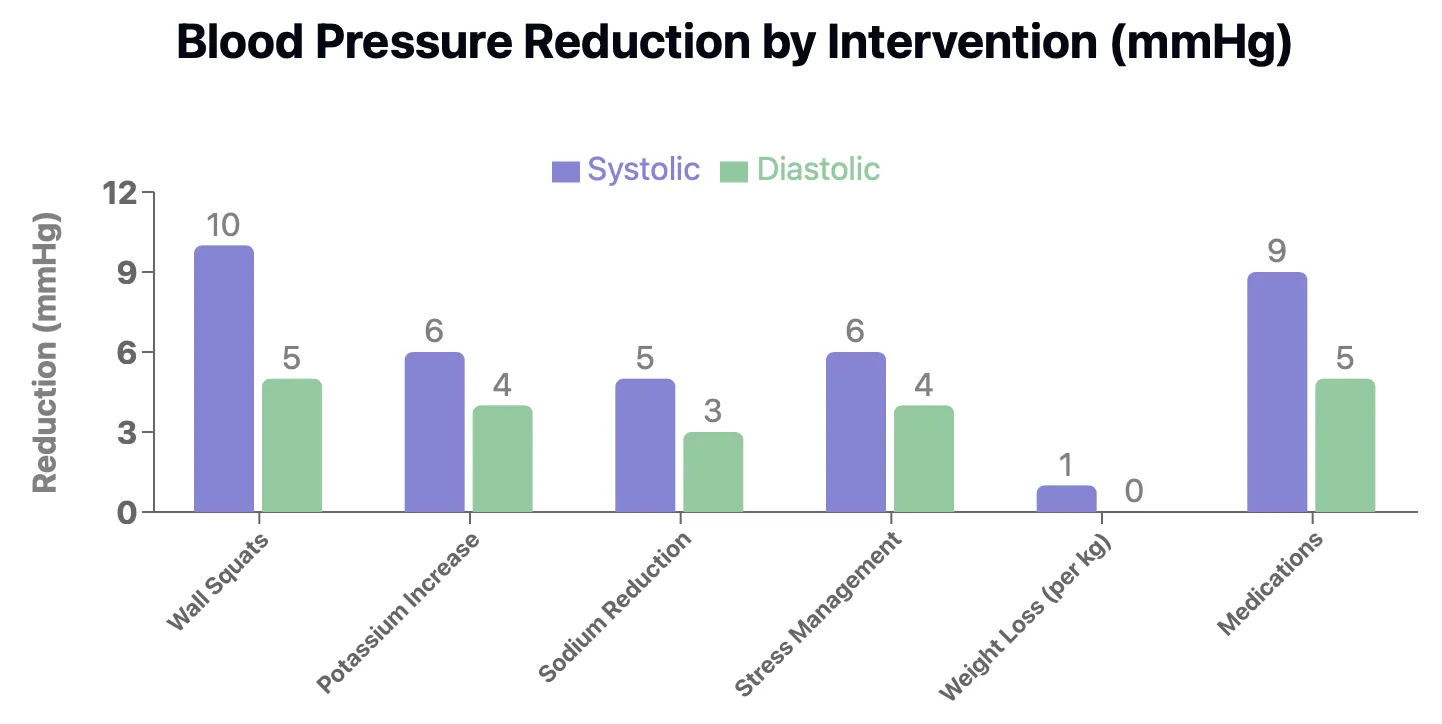
While traditional aerobic exercise, resistance training, and walking typically reduce systolic blood pressure by only 3-7 mmHg, isometric exercises can reduce systolic pressure by 7-10 mmHg. Common examples include handgrip exercises (squeezing a grip strengthener), leg isometrics (flexing your leg muscles hard against resistance), and wall squats.
Isometric Wall Squats: -10/-5 Blood Pressure
Among isometric exercises, wall squats stand out as the most effective approach. While handgrip exercises typically lower systolic pressure by around 7 mmHg and leg isometrics can achieve up to 10 mmHg reduction, wall squats provide the best diastolic reduction (5 mmHg versus 4 mmHg for other methods).6
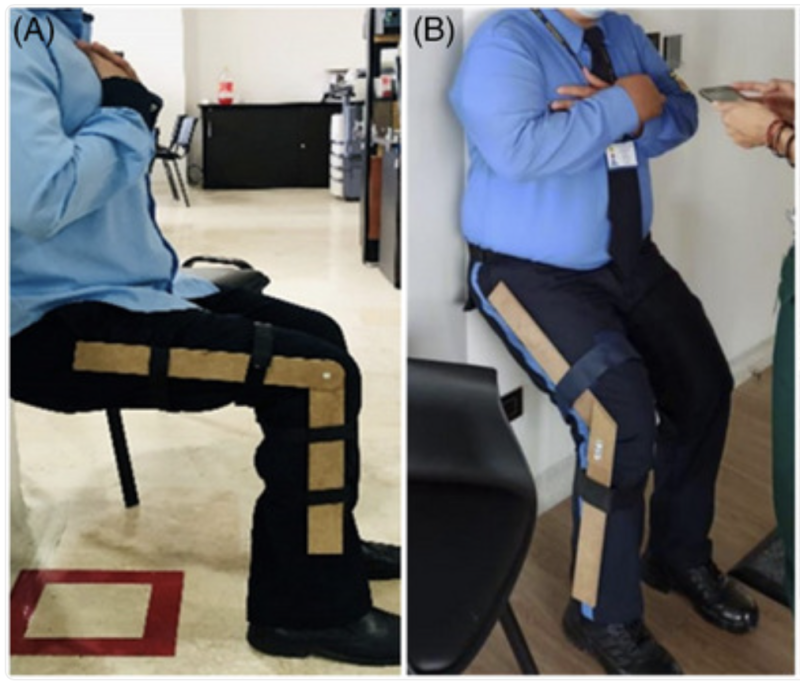
Wall Squat Protocol:
- Stand with your back flat against a wall
- Slide down to an angle you can maintain for the entire 2 minutes (start where you’re comfortable)
- Hold this position for 2 minutes
- Rest for 2 minutes
- Repeat for a total of 4 sets
- Perform this routine 3 times weekly for 8-12 weeks, then maintain with once-weekly sessions
The 2-minute duration is crucial for the isometric effect, so don’t sacrifice time for depth. Aim for a knee angle of about 95 degrees (slightly less deep than a right angle) for optimal balance of effectiveness and sustainability, but start wherever you can maintain the entire duration. As you build strength over weeks, gradually work toward a deeper position.7
Dietary Interventions
The DASH Diet: Pioneer in Blood Pressure Nutrition
The DASH (Dietary Approaches to Stop Hypertension) diet is an eating plan specifically designed to help lower blood pressure. It emphasizes fruits, vegetables, whole grains, lean proteins, and low-fat dairy while limiting foods high in saturated fats and sugar. This approach was groundbreaking when introduced, demonstrating that dietary changes alone could significantly reduce blood pressure.
The 1997 pioneering DASH study approach showed higher blood pressure reductions than wall squats, but unfortunately, replication efforts over the last 20 years have shown a much-reduced benefit of -4/-3.8 Fortunately, subsequent research has clarified which components of DASH matter most. While the full protocol includes recommendations about increasing dairy and limiting sugars, two elements account for most of the benefit:
Together, these two interventions account for a -9/-6 reduction, exceeding DASH’s benefits with less requirement to upend one’s diet.
Optimizing the Sodium-Potassium Balance
The sodium-potassium relationship is crucial for blood pressure regulation. Sodium raises blood pressure by causing water retention and increasing blood volume while stiffening blood vessels. Potassium counteracts these effects by relaxing blood vessel walls and helping the body excrete excess sodium through urine. The ratio between these minerals may be even more important than their absolute amounts.
Targeting sodium reduction:
- Limit sodium to around 2,300 mg daily (about one teaspoon of salt)
- Be vigilant about these common high-sodium foods:
- Pizza (one slice typically contains 600-1,500mg)
- Bread and rolls (a single sandwich can deliver 500mg)
- Cold cuts and cured meats (a 2oz serving can contain 500+mg)
- Canned soups (often 700-1,000mg per serving)
- Burritos and tacos (can exceed 1,000mg each)
- Savory snacks (chips, crackers, pretzels, popcorn)
- Cheese (especially processed varieties)
- Restaurant meals (often exceed 2,000mg per meal)
- Read nutrition labels for hidden sodium
- Cook at home more often using herbs, spices, and acids (lemon, vinegar) for flavor
Maximizing potassium intake:
The average American consumes only about 2,500 mg of potassium daily, far below the recommended 3,500-4,700 mg for optimal blood pressure. FDA regulations restrict potassium supplements to just 99 mg per tablet—a limitation dating back to 1960s concerns about pill technology causing intestinal lesions. At this dose, you’d need 10-20 tablets daily for an adequate amount, making pills impractical despite the safety of higher doses using modern pills.
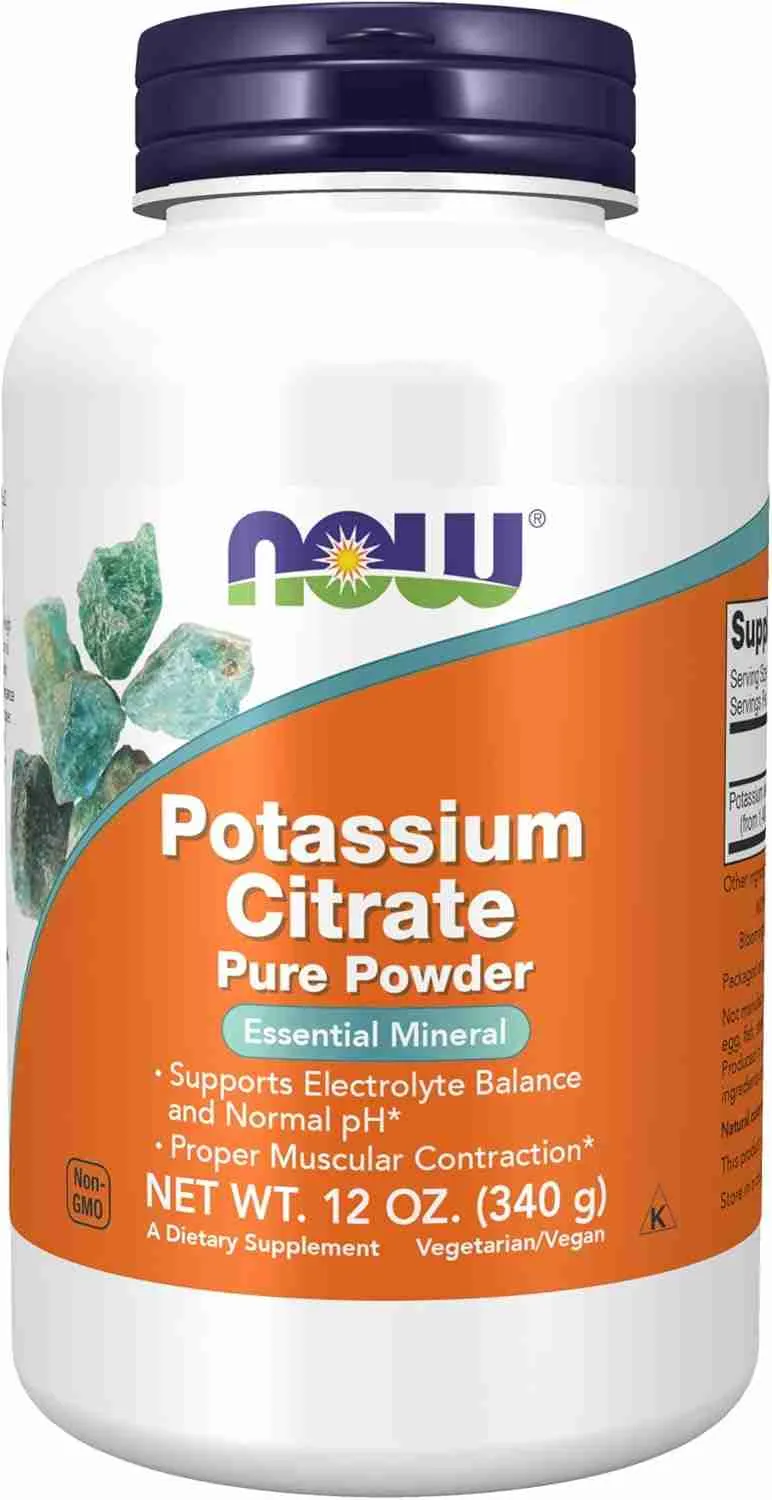
Potassium citrate powder11 offers the most practical solution: add 1/4 teaspoon to water a few times over the day to get 500-2,000 mg easily. Unlike concentrated pills, the dissolved powder doesn’t pose the same risk of localized intestinal irritation that concerns regulators. This supplement has a mildly tart taste and can bridge the gap between typical intake and optimal levels.
Important safety note: People with kidney disease, those taking certain medications (especially ACE inhibitors, ARBs, or potassium-sparing diuretics), or those with conditions like Addison’s disease should consult their doctor before increasing potassium intake. High potassium levels (hyperkalemia) can disrupt heart rhythm and even be life-threatening. If you have doubts about whether potassium supplements are safe for your specific situation, speak with your healthcare provider first.
Other options include:
- Potassium salt substitutes (NoSalt, Nu-Salt, Morton Salt Substitute):
- Replace regular salt partially or completely
- Mix with regular salt in a 50/50 ratio to improve taste
- Potassium-rich foods:
- Potatoes with skin (900 mg)
- White beans (600 mg per cup)
- Bananas (400 mg)
- Leafy greens (400-500 mg per cup)
- Avocados (700 mg)
Environmental Factors
Sauna Use: Profound Long-Term Protection
Regular sauna bathing provides remarkable cardiovascular benefits, particularly for blood pressure. Finnish research shows that frequent sauna use (4-7 times weekly) reduces the chance of developing hypertension by 47% over 25 years. Even for those who already have hypertension, regular sauna use reduces the risk of cardiovascular disease events by approximately 30%.12
The mechanism mirrors exercise: saunas create a controlled, temporary increase in blood pressure while in the heated environment, prompting the body to adapt by improving vascular function and lowering overall blood pressure. This hormetic effect—where brief stress leads to positive adaptation—makes sauna use particularly beneficial for hypertensives who might struggle with more intense exercise.
To get benefits, aim for:
- Temperature: 80-100°C (175-212°F)
- Duration: 15-20 minutes per session
- Frequency: 3-7 times weekly
- Sessions: Can be split into multiple shorter sessions (5-10 minutes) with cooling breaks between
For those who don’t have access to a traditional sauna, infrared sauna blankets or public facilities like gyms and spas can provide alternatives, although their effectiveness is less proven. As with any heat therapy, stay hydrated and start with shorter sessions to build tolerance.
Stress Management: -6/-4 Blood Pressure
Chronic stress keeps your sympathetic nervous system in overdrive, constricting blood vessels and raising blood pressure. Various relaxation techniques have demonstrated lasting benefits:13

Most effective approaches:
- Mindfulness meditation (10-15 minutes daily)
- Yoga (especially styles focusing on breath and relaxation)
- Progressive muscle relaxation before bed
- Cognitive behavioral therapy for those with anxiety
The benefits from these approaches tend to last for months, suggesting they create sustainable changes in nervous system function rather than just temporary relief.
Additional Factors
Weight Loss: -1 Systolic per Kilogram
Weight loss provides dose-dependent blood pressure benefits. Each kilogram (2.2 pounds) lost typically reduces systolic pressure by about 1 mmHg.14 For someone losing 10 kg (22 pounds), this translates to a meaningful 10 mmHg reduction.
With newer medications like semaglutide (Ozempic, Wegovy) showing unprecedented effectiveness for weight management, this approach may become more accessible for those with significant weight to lose.
How These Approaches Compare to Medications
For context, common blood pressure medications typically reduce:15
- ACE inhibitors: -9/-5
- ARBs: -10/-5
- Calcium channel blockers: -10/-4
- Thiazide diuretics: -9/-5
Combining just wall squats with sodium/potassium balance could potentially exceed the effect of a standard medication dose. However, never discontinue prescribed medications without consulting your physician.
The SPRINT Study: Benefits vs. Risks of Aggressive Medication
While medications effectively lower blood pressure, they come with trade-offs worth understanding. As mentioned, the SPRINT study compared intensive treatment (targeting systolic blood pressure below 120 mmHg) versus standard treatment (targeting below 140 mmHg) using medications. The results were mixed:2
- The intensive treatment group saw a reduction in cardiovascular events of 27%
- However, this same group experienced an increase in “serious adverse events” that were “possibly or definitely related to the intervention” of 74%
These adverse events included:
- Hypotension (abnormally low blood pressure)
- Syncope (fainting)
- Electrolyte abnormalities
- Acute kidney injury or renal failure
In contrast, the natural interventions described in this article generally present fewer risks of serious adverse events. For example, isometric exercises, dietary modifications, and sauna use typically produce minimal side effects when properly implemented. This doesn’t mean medications aren’t valuable—they remain essential for many people—but it does highlight the importance of lifestyle approaches either as complementary strategies or potentially as alternatives for some individuals.

Your Comprehensive Blood Pressure Management Plan
For the most effective approach to lowering blood pressure naturally, implement these strategies in order of priority:
First Priority: Exercise (Focus on Wall Squats)
- Begin wall squats three times weekly (full protocol described above)
- If already active, continue your regular exercise but add wall squats
Second Priority: Diet (Focus on Sodium-Potassium Balance)
- Reduce sodium intake to below 2,300 mg daily
- Add potassium through potassium citrate powder (a quarter teaspoon a few times daily), salt substitutes, and potassium-rich foods
Third Priority: Environmental Factors
- Begin regular sauna sessions if accessible (3+ times weekly)
- Integrate a stress management technique into your daily routine
Fourth Priority: Weight Management

How to Properly Monitor Your Progress
Home blood pressure monitoring can be tremendously helpful, but only if done correctly:
- Use a validated device (upper arm cuffs are more accurate than wrist models)
- Establish a proper routine:
- Measure at the same time each day
- Empty bladder first
- Sit with back supported and feet flat
- Rest arm at heart level on a table
- Remain quiet for 5 minutes before measuring
- Take 2-3 readings, 1 minute apart
- Track trends, not individual readings
- Blood pressure naturally fluctuates
- Weekly averages matter more than daily values
- Morning readings tend to be most consistent for comparison
Troubleshooting Common Challenges
“I can’t seem to reduce my salt intake.” Focus on potassium salt substitutes first. The sodium-potassium ratio matters more than absolute sodium levels for many people.
“Is potassium supplementation safe for me?” While potassium citrate powder is effective (1/4 to 1/2 teaspoon daily in water), people with kidney disease, those taking certain medications (especially ACE inhibitors, ARBs, or potassium-sparing diuretics), or those with conditions like Addison’s disease should consult their doctor before increasing potassium intake. High potassium levels (hyperkalemia) can be dangerous.
“My blood pressure seems to spike randomly despite my efforts.” Check for hidden factors: smoking, poor sleep, alcohol from the previous evening, inconsistent medication timing, or measurement technique issues.
The Bottom Line
High blood pressure isn’t an inevitable consequence of aging – it’s a modifiable risk factor that responds remarkably well to targeted lifestyle interventions. The approaches outlined here are based on solid research evidence and can help many people achieve healthier blood pressure, often without medication or with reduced pharmaceutical needs.
The data clearly shows wall squats as the standout intervention, offering nearly double the blood pressure reduction of traditional exercise in less time and with greater safety. Combining this with sodium reduction and potassium increase creates a robust foundation for blood pressure management.
If you implement just ONE intervention from this post, make it wall squats. Track your readings for two weeks, and you’ll likely see the difference this evidence-based strategy can make.
How healthy are your habits, really? Take the free biological age calculator and find out.











2 comments
This information is what I have been looking for .The information is priceless . I will be looking forward to the outcome and speak with my PCP.
Thanks 😊
Awesome! Glad it was helpful.