Last updated: October 8, 2026

 October 10, 2024
In This Article
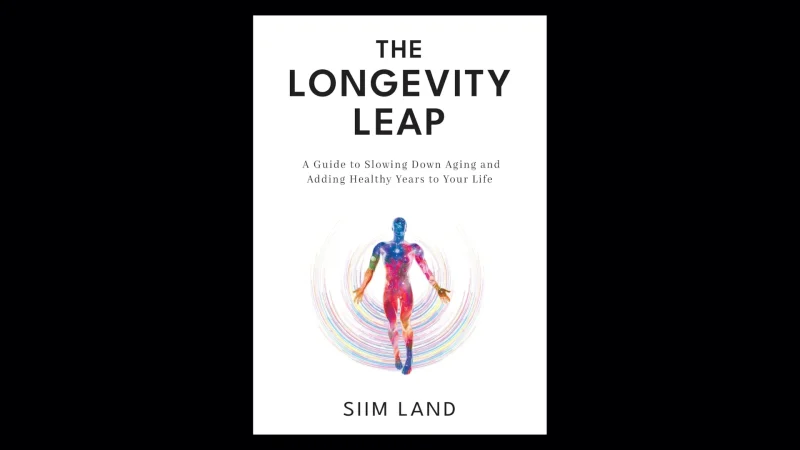
Siim Land, a popular YouTuber known for his impressive physique and well-researched health advice, has released what he calls his magnum opus: “Longevity Leap.” At around 30 years old, Land is younger than most health and longevity researchers, but he leverages his youth to demonstrate how even a muscular build can quickly improve VO2 max with effort.
He’s recently achieved one of the top scores in the DunedinPACE Rejuvenation Olympics alongside other longevity luminaries like Bryan Johnson and Dave Pascoe.

The Textbook Approach
“Longevity Leap” reads like a textbook, and for good reason. Land claims to have read 8,000 scientific papers in preparation, and it shows—the book contains over 8,000 footnotes. This is unburdened by any humor or levity. Across 28 chapters, Land covers many common causes of death, primarily from the perspective of trackable biometrics for prevention.
Land’s thoroughness is commendable. He presents current research objectively, often exploring multiple sides of contentious issues. For example, his coverage of the Blue Zones concept includes the original intent, subsequent criticisms regarding data validity, and rebuttals to those criticisms. While he avoids definitive conclusions on such debates, he provides readers with a complete picture of the current state of research.
From Molecular Biology to Practical Advice
The early chapters delve deep into molecular biology, covering topics like mTOR, IGF-1, and rapamycin with detailed charts and diagrams. Land also explores specialist conversations in longevity research, including discussions on Sirtuins and David Sinclair’s controversial findings. While comprehensive, these sections can be challenging for the average reader and often need more straightforward recommendations or practical takeaways.
The book’s core begins around Chapter 9, focusing on more accessible topics like calorie restriction, meat consumption, weight control, and exercise. Land draws from his personal experience in these areas, generally adhering to conventional fasting and calorie restriction views. While effective for his current goals of being muscular, fit, and healthy, some readers may find these perspectives at odds with other longevity research.

Strengths and Omissions
Land provides in-depth cardiovascular disease (CVD) coverage across four chapters, highlighting its importance in longevity research. However, this thorough treatment makes the complete omission of cancer, the second most common cause of death after CVD, all the more glaring. This oversight is shocking given that Land’s inspiration for becoming a health expert was his grandfather’s early death from colon cancer.
The book covers various topics, including blood pressure, kidney issues, dementia, sex hormones, and social relations. Each chapter offers extensive lists of factors that help or harm various biomarkers or health goals. While potentially useful for readers seeking new approaches, many of these lists contain either obvious recommendations (“Things harmful for CVD: Smoking”) or esoteric suggestions that require further research (“Things that are helpful for oral health: ß-caryophyllene”).
In a surprising departure from his strict attention to the physical, measurable world, the second-to-last chapter focuses on the softer social side of marriage and community, subjects Land rarely mentions. The anomaly is explained at the chapter’s end when he reveals that his lovely wife, Inka Land, wrote that chapter. A wise husband, indeed. “The benefits of marriage… Can you write that chapter, dear? You’ll say it better.”
While Land makes the book’s extensive footnotes available online, a printed index would have been appreciated. In practice, I searched for terms in the online footnotes to find a reference number, then went through the book to locate that footnote – effectively using the footnotes as a makeshift index. An index would have significantly improved the book’s utility as a reference guide.
The Unaging Assessment
Land’s recommendations, which appear only after Chapter 24, feel brief compared to the book’s exhaustive research coverage. When evaluated against the Unaging Assessment criteria, Land’s advice captures many critical interventions for longevity, but with some notable gaps:
- Diet: Land acknowledges the benefits of fruits, vegetables, and whole grains but doesn’t emphasize them strongly. He correctly advises against processed meats but is more lenient on red meat consumption.
His bodybuilder’s bias is evident in the discussion of macronutrients, focusing more on protein intake than specific longevity food recommendations. This approach only captures about half the potential 18 years of longevity gains from a diet rich in whole grains, legumes, fruits, and vegetables.
Land endorses egg and milk consumption, claiming concerns about cholesterol or saturated fats don’t apply. However, this view doesn’t align with research showing increased mortality risk with higher milk or eggs (>1 cup of milk or > one egg daily).
On a positive note, Land correctly emphasizes the importance of fish and fish oils, capturing the 1.2 years of longevity associated with regular fish consumption. - Exercise: Land’s recommendations for aerobic exercise, High-Intensity Interval Training (HIIT), strength training, and walking are well-rounded and evidence-based. However, his bodybuilding background leads to potentially overemphasizing strength training duration.
He recommends up to 140 minutes of weekly strength training for “maximum risk reduction,” despite his research showing the maximum benefit at 30 to 60 minutes per week.
His advice on moderate-intensity exercise (up to 900 minutes/week) and daily steps (up to 16,000) double-counts similar activities, adding to an impractical recommendation of 35 hours of light-intensity activities weekly.
Fortunately, the longevity benefits can be captured with more modest goals: walking 8,000-12,000 daily steps (1.5-2.5 hours) is sufficient for low-intensity exercise benefits, while weekly HIIT sessions can provide high-intensity cardiovascular benefits. - Habits: Land covers obvious health detriments like smoking, correctly noting its significant impact on longevity (potentially saving 9.7 years of expected life). He strongly recommends sauna use for cardiovascular benefits. However, he sometimes misses simpler, high-impact habits.
For instance, in a detailed discussion of oral health’s impact on longevity, he neglects to explicitly recommend regular, nightly teeth brushing and dental visits, focusing instead on more obscure interventions.
Land mentions the longevity benefits of tea consumption but overlooks coffee’s similar (and more potent per serving) benefits. This oversight means he only partially captures the potential 3.8 years of expected life from these beverages.

Key Takeaways

Despite its dense, academic approach, “Longevity Leap” offers several valuable insights:
- Comprehensive Research: Land’s extensive review of 8,000 scientific papers provides a thorough overview of current longevity research, making the book a valuable reference for those interested in the science behind health and longevity.
- Balanced Perspective on Controversial Topics: The book offers a nuanced view of debated topics like the Blue Zones, presenting multiple perspectives without rushing to conclusions.
- Detailed Biometric Focus: Land’s approach emphasizes trackable biometrics for disease prevention, which could be helpful for readers who prefer data-driven health management.
- Cardiovascular Health Emphasis: The in-depth coverage of cardiovascular disease across four chapters underscores its importance in longevity research and provides detailed strategies for heart health.
- Exercise Variety: Land’s recommendations for a mix of aerobic exercise, HIIT, strength training, and walking provide a well-rounded approach to physical activity for longevity.
However, readers should cautiously approach some recommendations, particularly where Land’s love of lifting leads him to understate the risks, such as meat and dairy consumption and extended strength training durations, which may not align with longevity research. Additionally, the book’s omission of cancer prevention strategies is a significant oversight in a comprehensive longevity guide.
In conclusion, “Longevity Leap” is a detailed and science-heavy resource that offers valuable insights into the current state of longevity research. While it may be overwhelming for casual readers, it provides a wealth of information for those deeply interested in the scientific aspects of living longer and healthier lives.
FAQs
What is Longevity Leap by Siim Land about?
Longevity Leap is a comprehensive guide to longevity, drawing from over 8,000 scientific studies. Siim Land, a YouTuber and health expert, explores diet, exercise, and lifestyle changes to promote a longer, healthier life, focusing on biometrics and disease prevention.
How is Longevity Leap different from other health books?
Longevity Leap is highly scientific and reads like a textbook, offering in-depth research on various longevity topics. Like the Blue Zones, land presents balanced views on controversial issues and provides objective insights without drawing definitive conclusions.
What are the strengths of Longevity Leap?
Key strengths include its comprehensive research, focus on cardiovascular health, and balanced exploration of debated topics. Land’s detailed exercise recommendations, including aerobic, strength, and HIIT training, provide a well-rounded approach to longevity.
Are there any weaknesses or omissions in Longevity Leap?
The book notably omits cancer prevention, despite its importance in longevity. Some of Land’s recommendations, like meat consumption and extended strength training, may reflect a bias from his bodybuilding background and may not fully align with longevity research.
Is Longevity Leap accessible to casual readers?
The early chapters are dense with scientific details, which might be challenging for casual readers. However, more practical advice on diet and exercise emerges in later chapters, making it more accessible as you progress.
What diet advice does Longevity Leap offer?
Land focuses on protein intake and supports consuming eggs, dairy, and fish. However, he places less emphasis on plant-based diets, which are commonly recommended in other longevity research.
What are Land’s exercise recommendations in Longevity Leap?
Land suggests a balanced mix of aerobic exercise, strength training, and walking. However, his advice on strength training might be overemphasized, recommending more than what is necessary for longevity benefits.
Does Longevity Leap cover lifestyle habits for longevity?
Yes, Longevity Leap covers habits like avoiding smoking and using saunas for heart health. However, it sometimes overlooks simple yet impactful habits, like dental care or coffee consumption.



1 comment
Excellent and very thorough review, thank you for that!