Unaging
  • Unaging Challenge
  • Blog
    • Podcasts
    • Diet
    • Exercise
    • Healthy Habits
    • Science
    • Aging
    • Unaging Challenge
    • Reviews
    • Videos
  • Determine Your True Age
  • About Me
  • Contact
Unaging
  • Unaging Challenge
  • Blog
    • Podcasts
    • Diet
    • Exercise
    • Healthy Habits
    • Science
    • Aging
    • Unaging Challenge
    • Reviews
    • Videos
  • Determine Your True Age
  • About Me
  • Contact
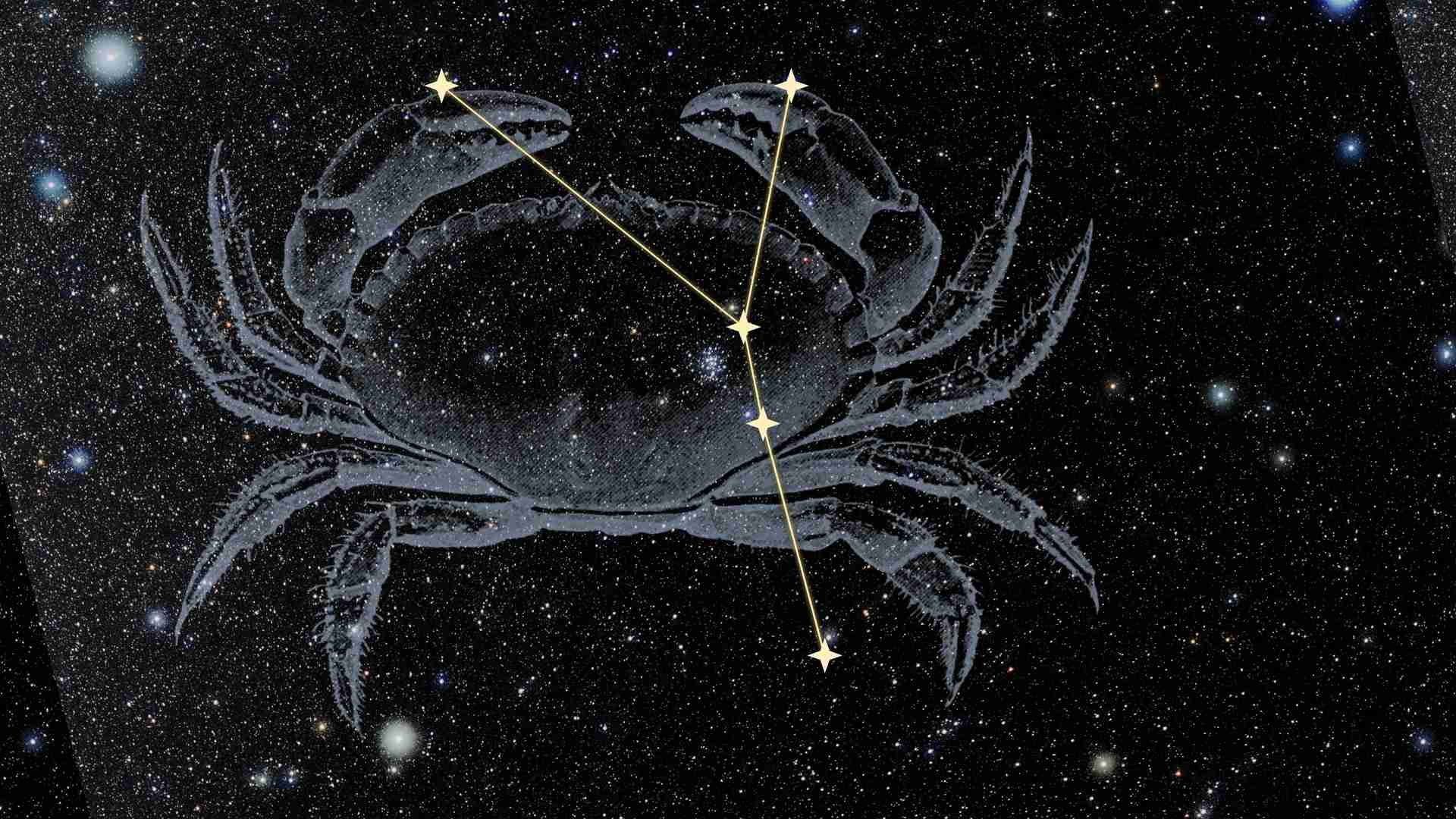
The constellation Cancer: a gold star figure forking to the claws of a faint engraved crab, over a photograph of the night sky

Aging
Are We Winning the War on Cancer?

Cancer deaths are down a third since 1991, and the reasons are not what you would guess.


The constellation Cancer: a gold star figure forking to the claws of a faint engraved crab, over a photograph of the night sky
Dispatch from the Andromeda front: cosmic artillery spent, space drone offensive may yet turn the tide against Cancer!
Crissman LoomisCrissman LoomisSeptember 4, 2026

In This Article

  1. The History of Cancer Deaths in USA
  2. The Future of Cancer Treatment
  3. What You Should Do

We are winning the war on cancer! Age-adjusted deaths from cancer have fallen 34% since 1991, one of the big reasons we are living longer, healthier lives.1

The History of Cancer Deaths in USA

But the overall percentage drop in cancers hides the specific causes and cures. Let’s look at USA cancer deaths by cause over the last hundred years:
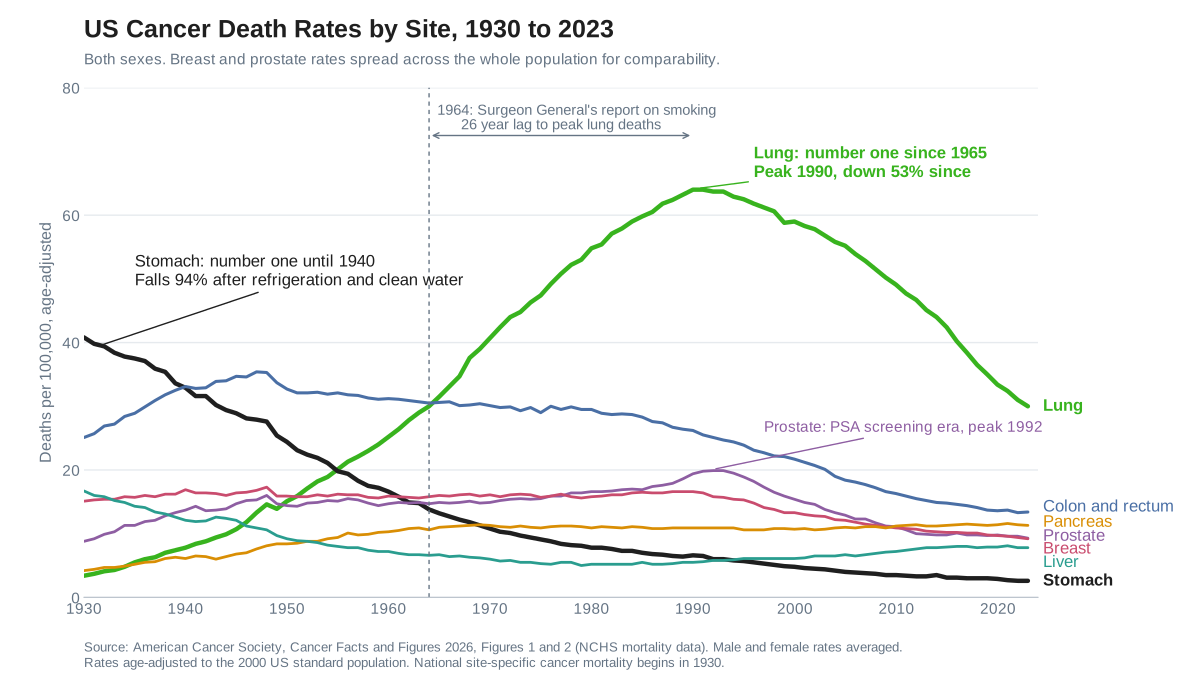
US cancer death rates by site from 1930 to 2023. Stomach cancer falls from first place to near zero, lung cancer rises to a 1990 peak then halves, pancreas stays flat.
Age-adjusted deaths per 100,000, both sexes. Source: American Cancer Society, Cancer Facts and Figures 2026.

Freezing Stomach Cancer

In 1930, the most lethal form of cancer was stomach cancer. This was caused by a combination of the H. pylori bacterium which aggravated the stomach lining and an abundance of smoked, preserved foods. As refrigeration and clean water became more commonplace, H. pylori infections as well as food preservation greatly diminished.2 In the United States, stomach cancer is now ranked the fifteenth highest cause of cancer.3 Unfortunately, in countries without as much access to refrigeration and clean water, stomach cancer is more common, making it the 4th highest cause of cancer globally.4

Sidebar: Japan and the Barium Tilt-a-Whirl

Refrigeration and clean water deployment in Japan were delayed until about 25 years later.5 This led the Japanese doctors to think Japanese were particularly susceptible to stomach cancer, thinking their salty diet was causing it. They began a national program of subsidized stomach cancer scans, including barium drinks, followed by tilt-a-whirl treatment to line the stomach with the barium for the scan. Radiation is then bounced off the barium to look for cancers.
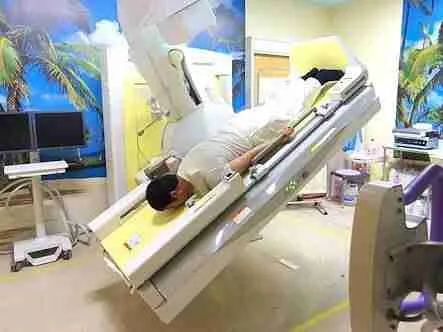
A man lying face down on a Japanese barium X-ray table tilted steeply head-down, in a room decorated with palm tree wallpaper
Photo: home in my shoes

Sub-sidebar: Japan and Radiation Testing

Radiation, you say? Doesn’t that… cause cancer? Why yes, it does. Japan has the highest level of diagnostic radiation caused cancer in the world, at 3.2%, compared to 0.9% in the US.6 Before getting a barium scan, ask for “ABC Screening,” which checks for the presence of H. pylori and degradation of the stomach lining. The result is an estimate of your risk for guidance on whether the barium scan is justified.7 In any case, if you test positive for H. pylori, antibiotic treatment will usually cure it.8

Cigarettes Increase Cancer Through the 1900s

I had thought that tobacco and lung cancer were always with us, but in fact, smoking didn’t become common until the invention of the cigarette rolling machine in the late 1800s, increasing production from manually rolling 4 per minute by hand to 200 per minute by machine.9 In WWI, soldiers got free cigarettes included with their food rations.10 In 1964, the US Surgeon General declared smoking the leading cause of lung cancer,11 and 26 years later, at last, the lung cancer epidemic peaked and has been dropping since. Lung cancer is still the biggest killer, but at half its peak.

Screening for Colorectal Cancer

Over most of the 1900s, colorectal (colon and rectum) cancer slowly declined, likely due to the positive effects of refrigeration and clean water that were reducing stomach cancer. Then, in 1980, the American Cancer Society (ACS) first published screening guidelines for colorectal cancer, basically telling people to get regular stool tests from age 50,12 starting a steady fall in colorectal cancer from about 30 deaths per 100,000 in 1980 to under 14 in 2023. Around the year 2000, colonoscopies became the standard screening test, with Katie Couric getting one live on the Today show in 2000, causing “the Couric effect,” which was a large bump in colonoscopies.13 Looking at the cancer trend, though, you can see that the big bump had no observable effect over the general increase in screening, which continued steadily from about 38% in 2000 to about 73% in 2023.14

One notable effect for colorectal cancer is the immediate reduction in cancer deaths after increased screening. Compare this to the 26 years before the Surgeon General’s warning against tobacco started dropping the numbers. Colorectal screening is accurate, and early treatment is straightforward–a colonoscopy can diagnose and remove cancers in one shot. That said, unless you want to copy Couric’s colonoscopy (TV coverage optional), regular stool tests are equally effective.15 The American Cancer Society recommends every year for Fecal Immunochemical Test (FIT) or every three years for a stool DNA test after age 45.16

Holes in Screening

Unfortunately, this immediate benefit from increased screening has not been replicated in other cancers. Early attempts at increasing awareness of cancers petered out and were rolled back as not effective. Back in the 1970s and 80s, it was common to see Public Service Announcements encouraging women to do self-breast examinations (BSE) every month.12
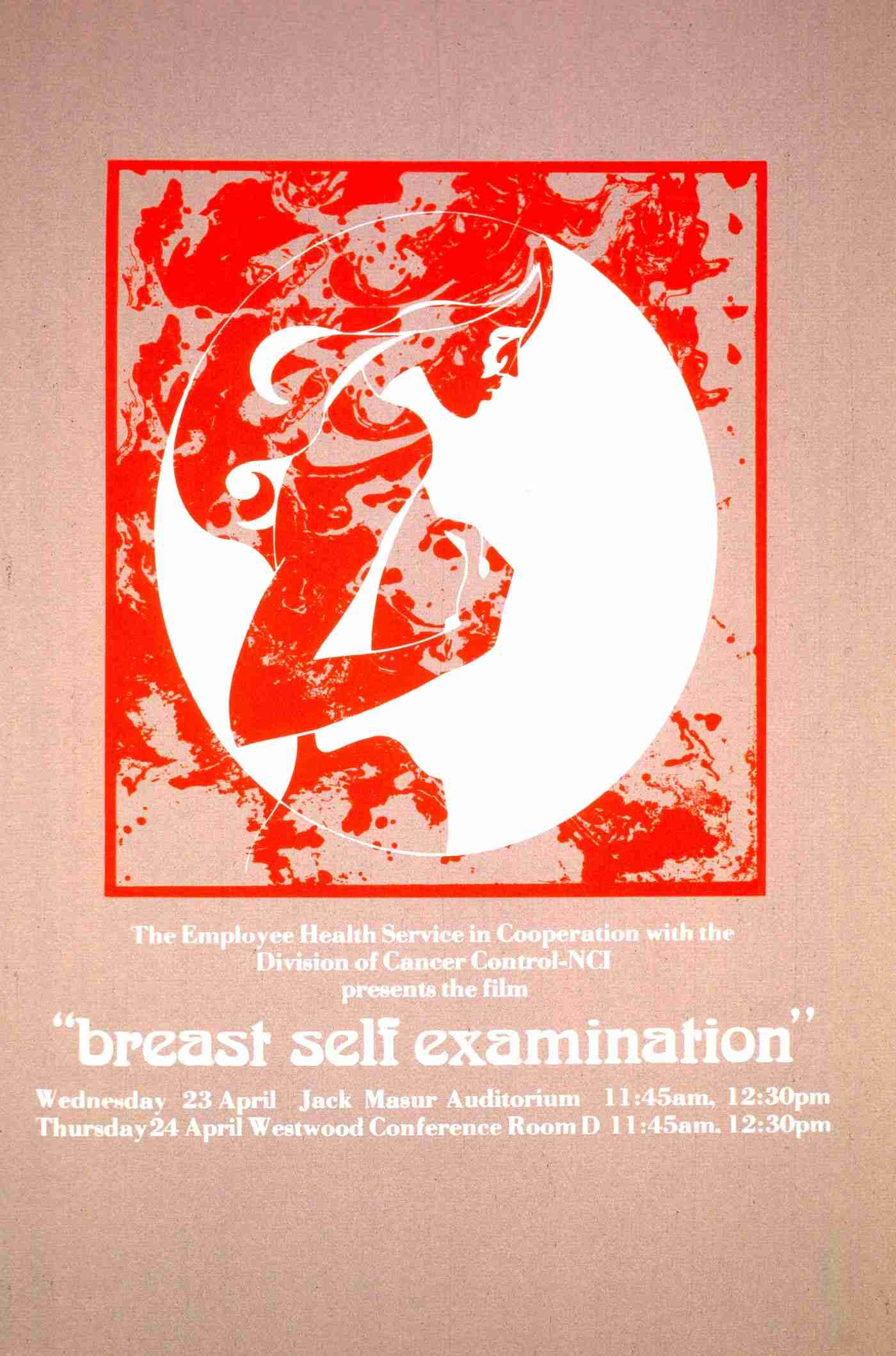
1970s NIH poster in orange Art Nouveau style advertising a screening of the film Breast Self Examination
Self breast examinations weren’t effective, but the ads were titillating when I was a young boy.

Then, in 2003 the ACS reversed, and said “It is acceptable for women to choose not to do BSE or to do BSE irregularly.”17 Similarly, in 1992, they encouraged Prostate Specific Antigen (PSA) blood tests for all men over 50.18 Fortunately, prostate cancers are often slow-developing, and men more often die with prostate cancer instead of from it. Further complicating frequent screening, PSA is not nearly as reliable as stool tests for colorectal cancer,19 and prostate surgery carries much more risk than a colonoscopy, and surgery complications for prostate cancer checks can permanently degrade quality of life from incontinence and erectile dysfunction.20

Likewise, at one time, skin cancer was put on high alert, with a guideline to check your moles with a doctor every three years from age 20 and every year from age 40.12 Now, only changing or suspicious moles are recommended to be checked.21

The Effects that Weren’t

Another benefit of looking at long term cancer rates is finding things that *didn’t* increase cancer, or at least did not affect cancer rates enough to show in the long term trends. One that surprised me was the lack of impact of pesticides. Since 1945, when synthetic pesticides barely existed, American pesticide use has increased more than ten-fold, from under 100 million pounds a year to over a billion,2223 but there’s no apparent effect on cancer rates visible on the national scale. Focusing in closer, even farmers, who have more exposure to pesticides than most, have not experienced any particular epidemic of cancer.24

For any other evil of modern society–Microplastic! Sunscreens! Cell phones!–you can be assured that even if their effect on cancer isn’t zero, it isn’t enough to overwhelm the larger forces moving cancer rates.

The Future of Cancer Treatment

Despite the lower lung cancer (thanks to reduced smoking), stomach cancer (thanks to refrigeration), and colorectal cancer (thanks to increased screening), you may have noticed pancreatic cancer has held steady over the past 100 years. While pancreatic cancer takes decades to develop like other cancers, it’s noticeably symptomless, and we haven’t found an effective way to screen for it in the early stages. By the time someone has become yellow in the face, the cancer has likely already metastasized.25

Pancreas Protein Hunt

The lack of progress on pancreatic cancer has at last changed in 2026, with the release of a new drug, daraxonrasib. Cancers rely on breaking RAS proteins, which switch cell growth on and off, to turn growth permanently on. Despite being identified over forty years ago, there hasn’t been an effective way to target RAS to prevent growth until now. The new medicine binds to RAS proteins, including the KRAS that drives pancreatic cancer, and stops the cancer reproduction. In the final phase of testing, the drug reduced the risk of death by 60% compared with chemotherapy,26 unheard of in a cancer where chemotherapy only manages to shrink tumors in about 10% of patients.

Cancer Vaccines

Cancers usually take decades to develop, and in most cases, are killed or contained by the immune system killing off the mutated cancer cells. There has long been a search to find a way to improve the body’s ability to remove cancer with vaccines, and in 2026, the first successful Phase 3 trial was completed.27 The target was skin cancer (melanomas), which are known to have a wide variety of proteins, making them difficult to isolate for the immune system to target. This trial succeeded by sequencing the DNA of that specific cancer, creating a custom mRNA vaccine for the peptides in that cancer, and then administering their personal vaccine about six weeks later. The precise numbers from Phase 3 aren’t available yet, but Phase 2 reduced risk by nearly 50%.28

A different vaccine approach, this time focusing on the specific pancreatic KRAS proteins, is in early trial stages.29

What You Should Do

Lung Cancer: If you don’t smoke, don’t start. If you smoke, quit. If quitting is hard, switch to vaping or heated tobacco. There was concern about vaping health impacts initially, but by now, it’s clear from carcinogen exposure studies that it’s better than regular cigarettes.30

Stomach Cancer: Use refrigerators and clean water. Ok, that’s pretty straightforward for most. If in Japan, decline the barium scan until you’ve had an ABC test to see if you’re at risk.

Colorectal Cancer: Get regular stool tests–annually for FIT or every three years for stool DNA tests from 45 years old. Colonoscopies don’t appear to show significant benefit over regular stool tests.

Other Cancers: Follow the S-Tier intervention of walking 12k steps daily to reduce cancer mortality risk by up to half31 and eat whole grains to reduce cancer mortality by another 15%32 and nuts to reduce cancer risk by 15%.33


woman finishing a walking race, celebrating health, fitness, and longevity
The Longevity Tiers
When I released v2.0 of the True Age calculator, I adjusted the baseline to account for the average American level of each intervention. The results challenged many common assumptions about…

Subscribe to the Unaging newsletter

Get evidence-based health and longevity tips delivered to your inbox.

Or go further: start the free Unaging Challenge — an app-guided program worth years of life expectancy.

References ▼References ▲
  1. Cancer statistics, 2026
  2. Population-Based Helicobacter pylori Screen-and-Treat Strategies for Gastric Cancer Prevention
  3. Key Statistics About Stomach Cancer
  4. WHO Cancer Fact Sheet
  5. Changing trends in the prevalence of H. pylori infection in Japan (1908–2003)
  6. Risk of cancer from diagnostic X-rays: estimates for the UK and 14 other countries
  7. The ABC Method and Gastric Cancer: Evidence From Prospective Studies
  8. 胃がん検診について (National Cancer Center Japan)
  9. Cultivation of a Tobacco Empire (Duke Homestead)
  10. Tobacco as Much as Bullets: The Call for Cigarettes
  11. About Surgeon General’s Reports on Smoking and Health (CDC)
  12. ACS Report on the Cancer-Related Health Checkup, 1980
  13. The Impact of a Celebrity Promotional Campaign on the Use of Colon Cancer Screening: The Katie Couric Effect
  14. Cancer Trends Progress Report: Colorectal Cancer Screening
  15. COLONPREV trial of FIT vs colonoscopy (American College of Gastroenterology)
  16. American Cancer Society Guideline for Colorectal Cancer Screening
  17. American Cancer Society Guidelines for Breast Cancer Screening: Update 2003
  18. American Cancer Society Guideline for the Early Detection of Prostate Cancer: Update 1997
  19. USPSTF Prostate Cancer Screening Recommendation
  20. Patient-Reported Outcomes after Monitoring, Surgery, or Radiotherapy for Prostate Cancer (ProtecT)
  21. Screening for Skin Cancer: US Preventive Services Task Force Recommendation Statement (2023)
  22. The Golden Age of Pesticides (Wessels Living History Farm)
  23. Pesticides Industry Sales and Usage, 2008 to 2012 Market Estimates (EPA)
  24. Cancer incidence in the Agricultural Health Study after 20 years of follow-up
  25. Cancer Stat Facts: Pancreatic Cancer
  26. Multi-Selective RAS Inhibitor Nearly Doubles Survival in Pancreatic Cancer (ASCO)
  27. Merck and Moderna Announce Phase 3 INTerpath-001 Trial of Intismeran Autogene Plus KEYTRUDA Met Endpoints
  28. Moderna and Merck Announce 5-Year Data for Intismeran Autogene in Combination With KEYTRUDA
  29. Experimental KRAS Vaccine Generates Immune Response Against Pancreatic Cancer in People at High Risk
  30. Comparison of Nicotine and Toxicant Exposure in Users of Electronic Cigarettes and Combustible Cigarettes
  31. Prospective Associations of Daily Step Counts and Intensity With Cancer and Cardiovascular Disease Incidence and Mortality and All-Cause Mortality
  32. Whole grain consumption and risk of cardiovascular disease, cancer, and all cause and cause specific mortality
  33. Nut consumption and risk of cardiovascular disease, total cancer, all-cause and cause-specific mortality
Unaging
Crissman Loomis avatar

Crissman Loomis

Research first! I’m a mathematician by training and a long-term body hacker who enjoys studying new topics and then testing them on myself. From a year of veganism to an intensive two-month muscle-building stint in which I gained 9 kg (20 lbs.) of muscle, I like reading and applying the latest studies. Google Scholar is my most frequented bookmark. I'm continually reviewing the latest research on health and longevity. I’ve found many valuable and several surprising things. Subscribe to join me on the journey!

Previous Article
A fit 72-year-old woman doing a standing dumbbell shoulder press in a bright modern gym
  • Aging

10,000 Unagers Have Measured Their Lifespan!

  • July 25, 2026
  • Crissman Loomis
View Post

You May Also Like

A fit 72-year-old woman doing a standing dumbbell shoulder press in a bright modern gym
View Post
  • Aging

10,000 Unagers Have Measured Their Lifespan!

  • Crissman Loomis
  • July 25, 2026
A fit man skeptically examining a handful of pills
View Post
  • Aging

The Ozempic Challenge for Longevity Drugs

  • Crissman Loomis
  • July 14, 2026
Man with lower back pain pausing on a park path
View Post
  • Aging

Your MRI Is Probably Lying

  • Crissman Loomis
  • July 2, 2026
Dimly lit ornate chandelier with several candle bulbs glowing in a dark room, a metaphor for the limits of the human lifespan
View Post
  • Aging
  • Science

The Hard Limit on Human Lifespan

  • Crissman Loomis
  • January 23, 2026
Three kittens
View Post
  • Aging
  • Science

The Real Pathways to Longevity

  • Crissman Loomis
  • September 9, 2025
biomarkers showdown
View Post
  • Aging
  • Science

Who’s Really Winning at Longevity?

  • Crissman Loomis
  • September 4, 2025
what is longevity
View Post
  • Aging
  • Healthy Habits

What Is Longevity? Live Longer and Healthier with Proven Daily Habits

  • Crissman Loomis
  • July 23, 2025
a quiet moment that captures the beauty of the human lifespan
View Post
  • Aging
  • Science

The Science of Maximum Human Lifespan: From Hayflick to Horvath

  • Crissman Loomis
  • July 20, 2025

Leave a Reply Cancel reply

Your email address will not be published. Required fields are marked *

Interlocking brass and steel gears
What I Changed in the Calculator (and Why)
A fit 72-year-old woman doing a standing dumbbell shoulder press in a bright modern gym
10,000 Unagers Have Measured Their Lifespan!
A fit man skeptically examining a handful of pills
The Ozempic Challenge for Longevity Drugs
Man with lower back pain pausing on a park path
Your MRI Is Probably Lying
Caernarfon Castle in Gwynedd Wales at dusk
The Vaccine Bonus: Vaccines Don’t Extend Life. They Extend Healthspan.

Categories

  • Aging (10)
  • Diet (22)
  • Exercise (25)
  • Healthy Habits (22)
  • Podcasts (8)
  • Reviews (4)
  • Science (12)
  • Unaging Challenge (14)
  • Videos (11)

Live Longer, Live Better

Join the Unaging Challenge and get evidence-based longevity tips delivered to your inbox.

    Unaging Logo

    The latest research quantified into health and longevity

    Navigation

    • Unaging Challenge
    • Blog
      • Podcasts
      • Diet
      • Exercise
      • Healthy Habits
      • Science
      • Aging
      • Unaging Challenge
      • Reviews
      • Videos
    • Determine Your True Age
    • About Me
    • Contact

    Navigation

    • Home
    • Biological Age Calculator
    • Blog
    • About me
    • Contact us
    • Sitemap

    Categories

    • Aging
    • Diet
    • Exercise
    • Healthy Habits
    • Podcasts
    • Reviews
    • Science
    • Unaging Challenge
    • Videos

    Categories

    • Aging
    • Diet
    • Exercise
    • Healthy Habits
    • Podcasts
    • Reviews
    • Science
    • Unaging Challenge
    • Videos

    Input your search keywords and press Enter.

    Get longevity research in your inbox